
RESEARCH FOCUS
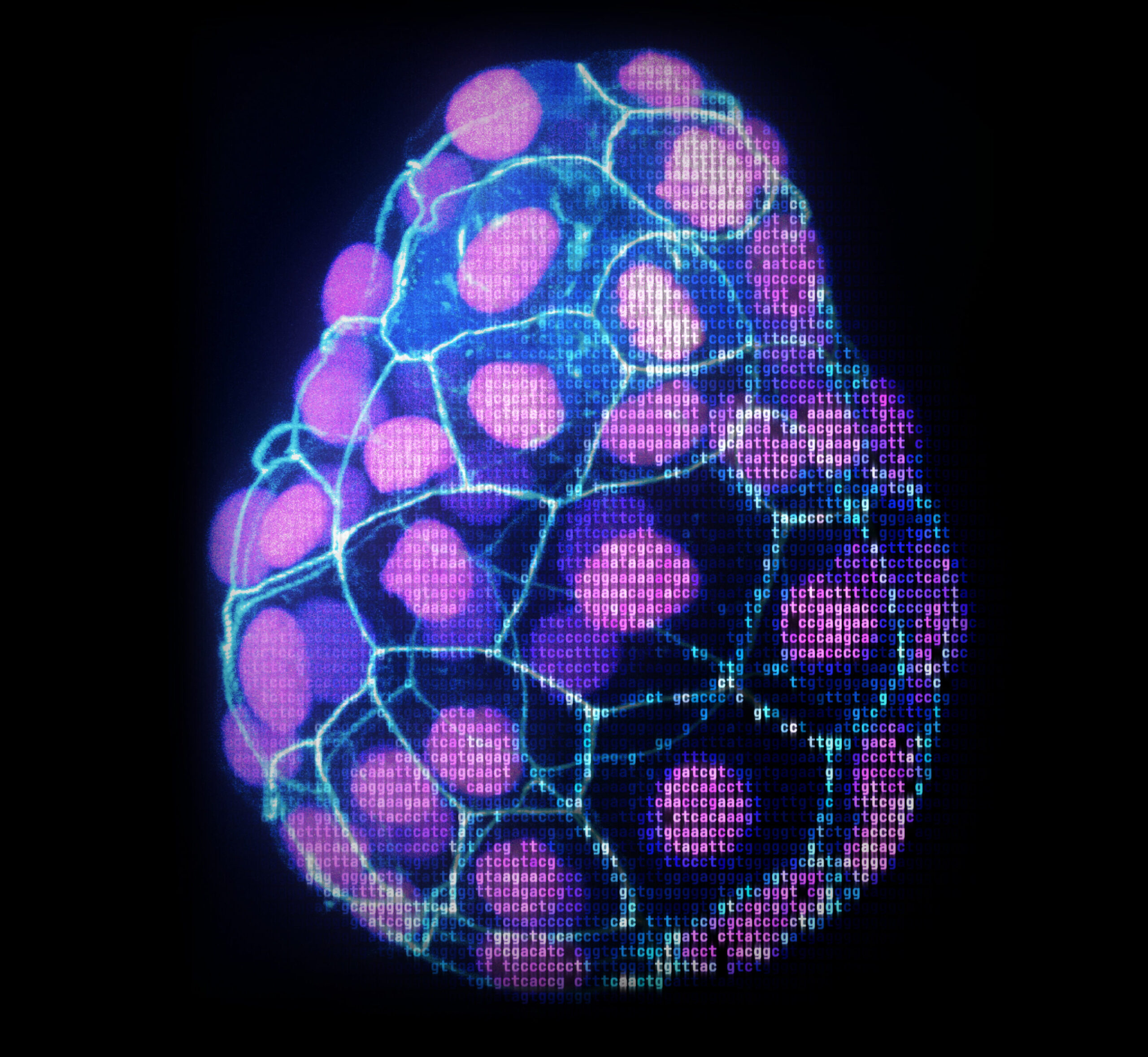
Infertility affects around one in six people worldwide and remains a major global health challenge. Despite advances in assisted reproductive technologies, implantation failure is still a major barrier to successful pregnancy. Embryo implantation is the process of establishment of the first direct interactions between the embryo and the mother. Our research focuses on this critical period of mammalian development, through three interconnected research directions.
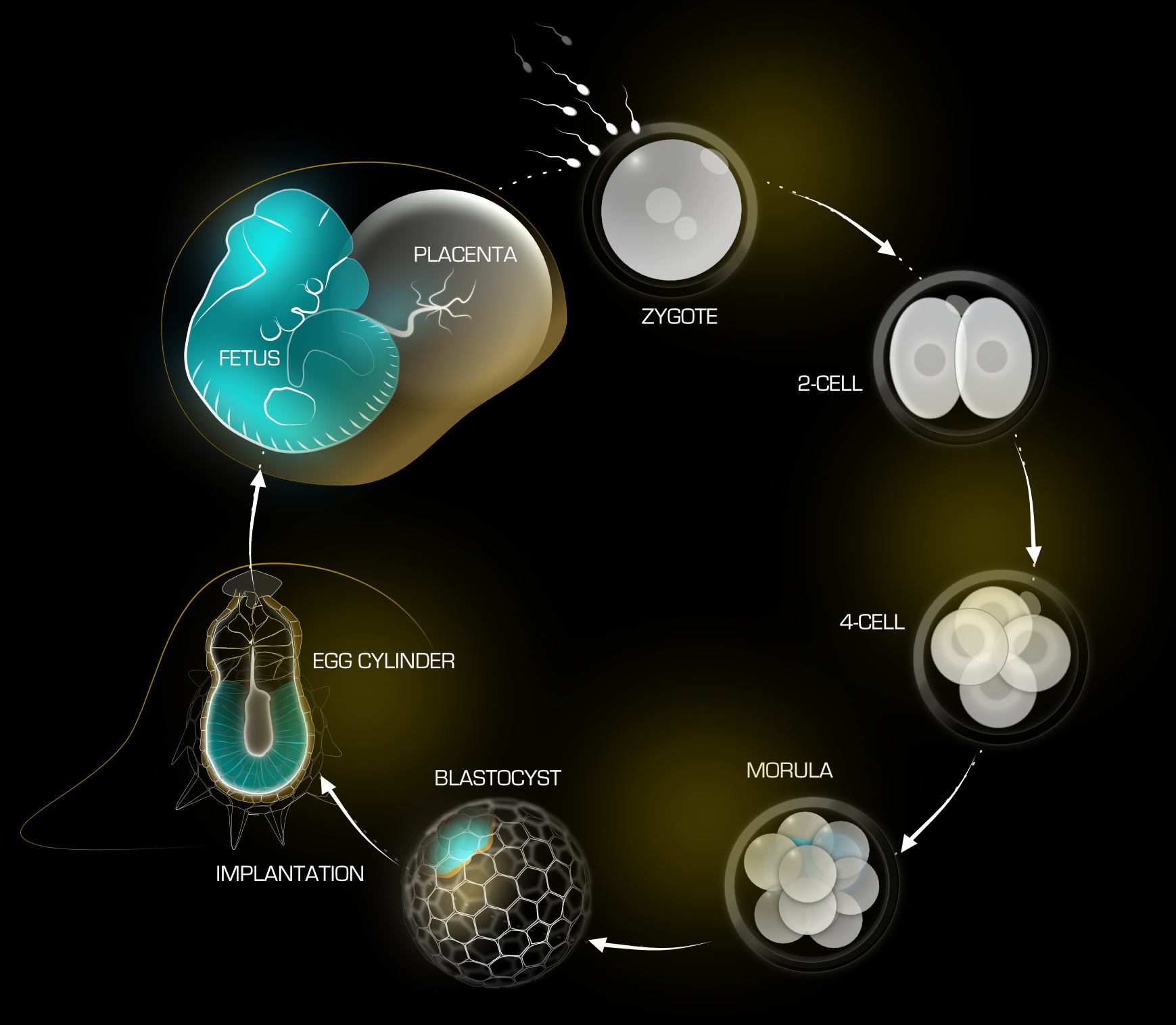
First, we investigate how the early embryo emerges from a single cell and changes its shape and organisation during early development. We aim to understand how cells coordinate changes in their behaviour and physical environment to build the foundations of the developing organism.
Second, we study how the embryo communicates with the mother during implantation. We investigate how the uterus creates an environment that supports embryo development while also regulating interactions with the uterine tissues, including the maternal immune system and how all this changes during ageing.
Third, we investigate embryonic dormancy, or diapause. In this obscure state, embryos temporarily pause their development and can later resume it. We study how embryos enter, maintain, and exit this dormant state, and what this can teach us about the fundamental mechanisms controlling development and pathological conditions.
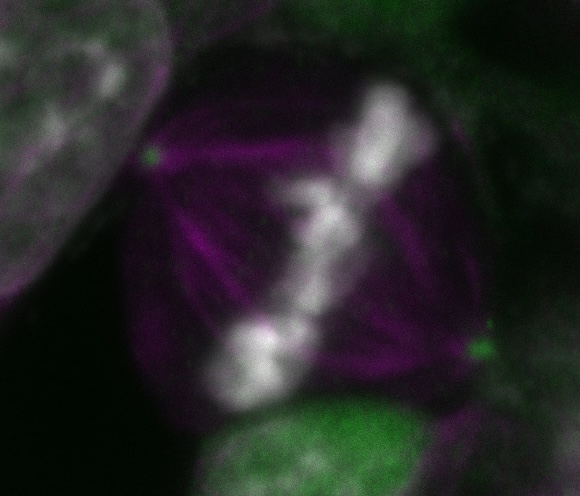
Divide and conquer: how are cell division, signaling and fate interlinked?
During early embryonic development, cells have to make two things happen at the same time: they need to divide rapidly to increase the number of cells, while also changing their identity and organisation to build an embryo. One of the central signalling pathways controlling this transition…
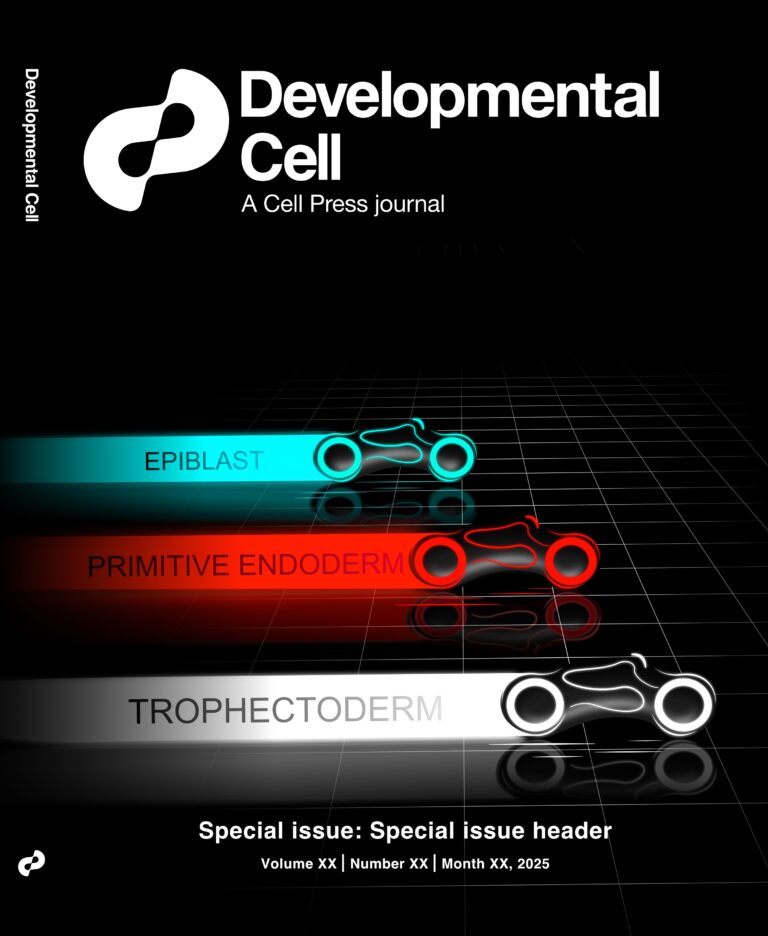
How does the embryo coordinate changes in cell identity with the physical organisation of its cells?
During early embryonic development, cells need to coordinate two fundamental processes: deciding what they will become and organising themselves into tissues. These processes have to happen in the right order and at the right time. But how does an embryo coordinate changes in cell identity with…
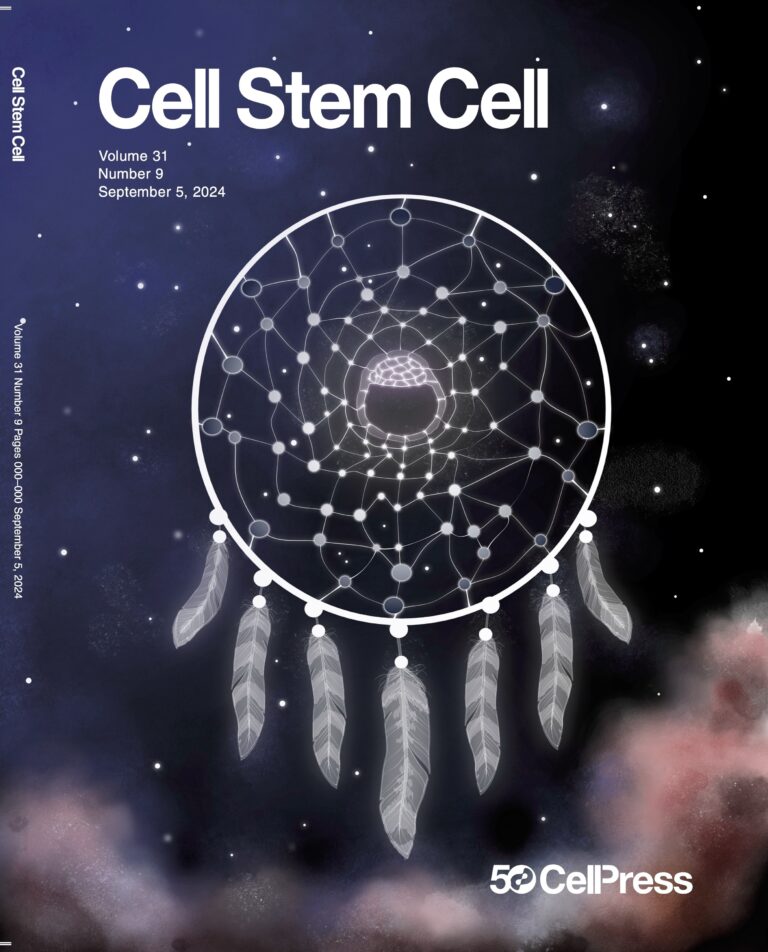
The sleeping embryo: exploring dormancy and survival at single-cell resolution
Embryonic development is usually a continuous process. After fertilisation, the embryo progresses through a series of developmental stages until it implants in the uterus and continues to grow. But in some mammals, embryos have evolved a remarkable ability to pause development and wait. This state is…
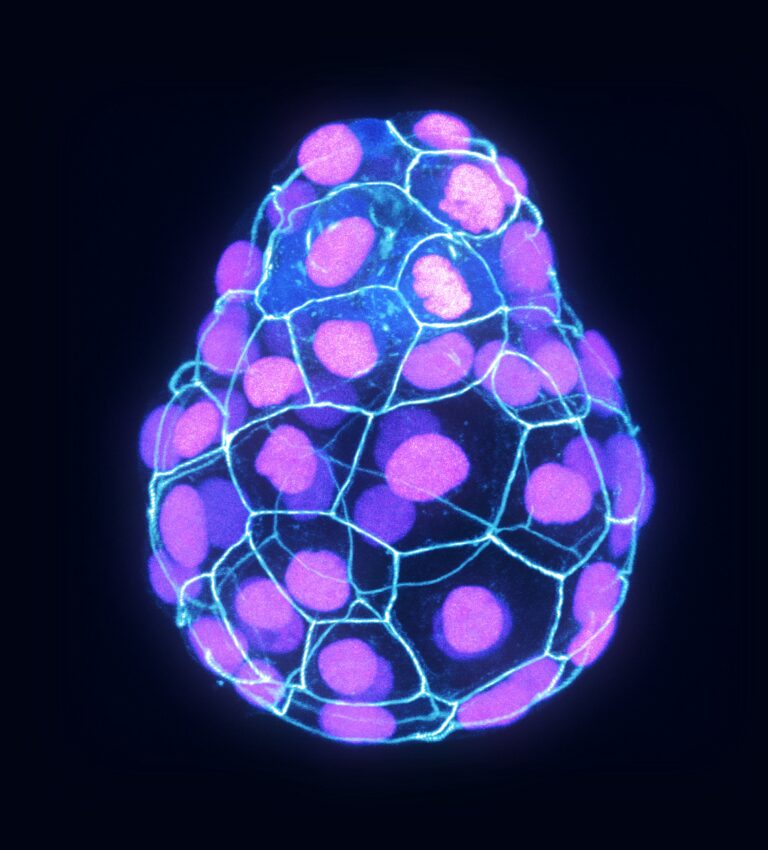
Flipping the cell axis inside out to build the foundations of the placenta
During early embryonic development, the cells that will eventually form the placenta undergo a remarkable transformation. A small population of cells at the embryonic pole of the blastocyst gives rise to the trophoblast stem-cell compartment, which subsequently expands and develops into the extra-embryonic tissues that support…
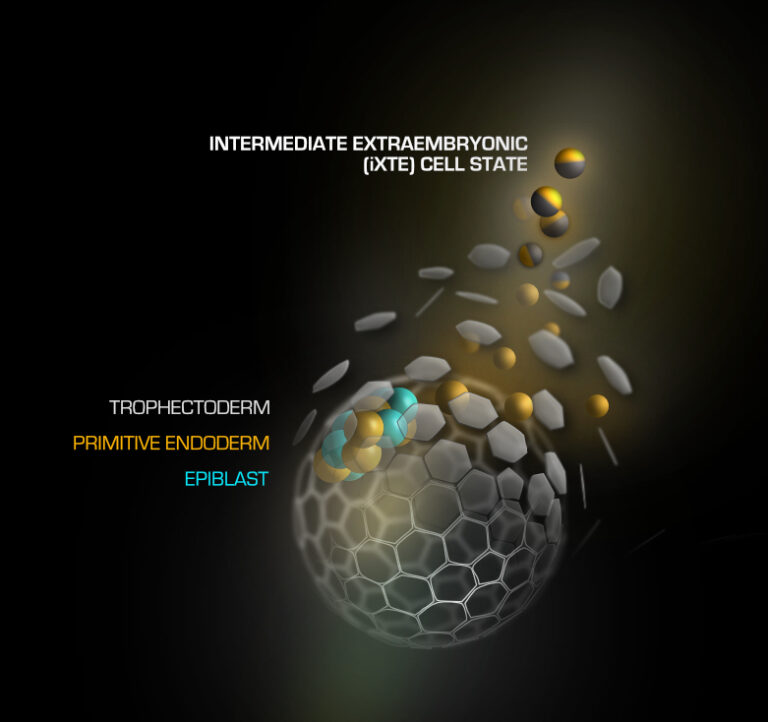
Cell fate is not set in stone
Early embryonic development is often described as a process in which cells progressively make increasingly irreversible decisions about their identity. But in the very early embryo, cells are remarkably flexible. They can adapt to changes in their environment, compensate for differences in cell number or position,…
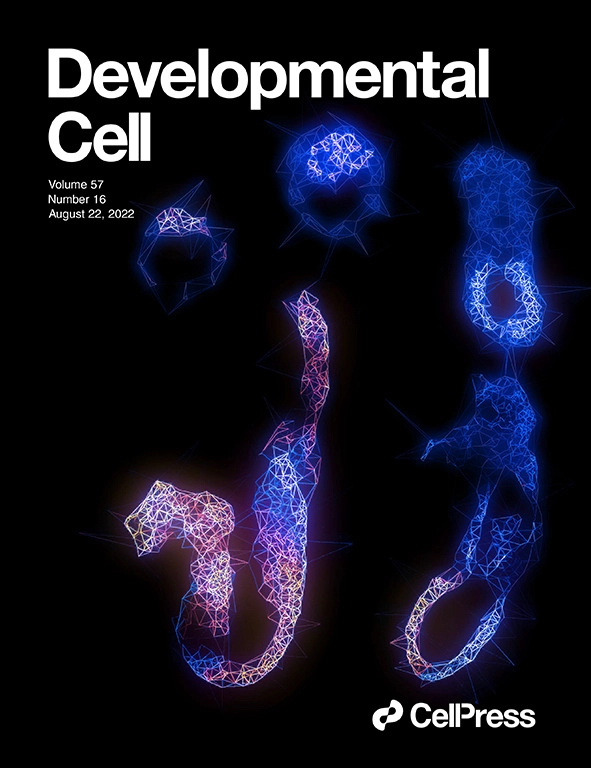
The molecular switch that organises the embryo
The early mouse embryo begins as a remarkably simple structure: a small group of pluripotent epiblast cells. Yet within a short period of time, these cells undergo a dramatic transformation. They change their developmental state, become polarised and reorganise into an epithelial tissue that will provide…
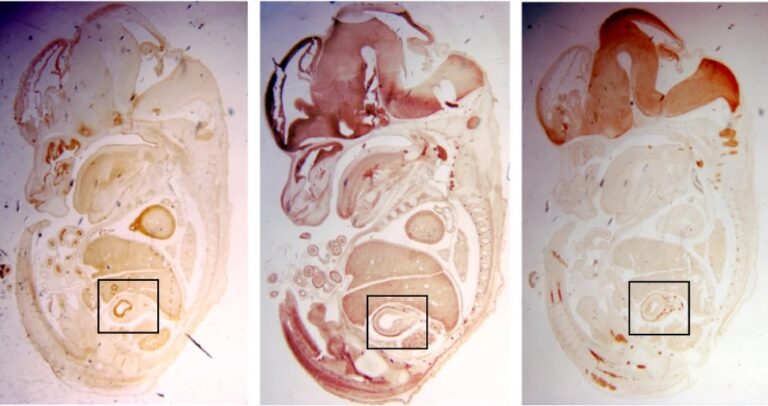
A tumour suppressor coordinates cell shape and energy metabolism in pluripotent cells
Pluripotency is usually thought of as a property of cell identity: pluripotent cells have the ability to give rise to many different cell types. But being pluripotent also means that a cell has to maintain a particular physical and metabolic state. We wanted to understand how…
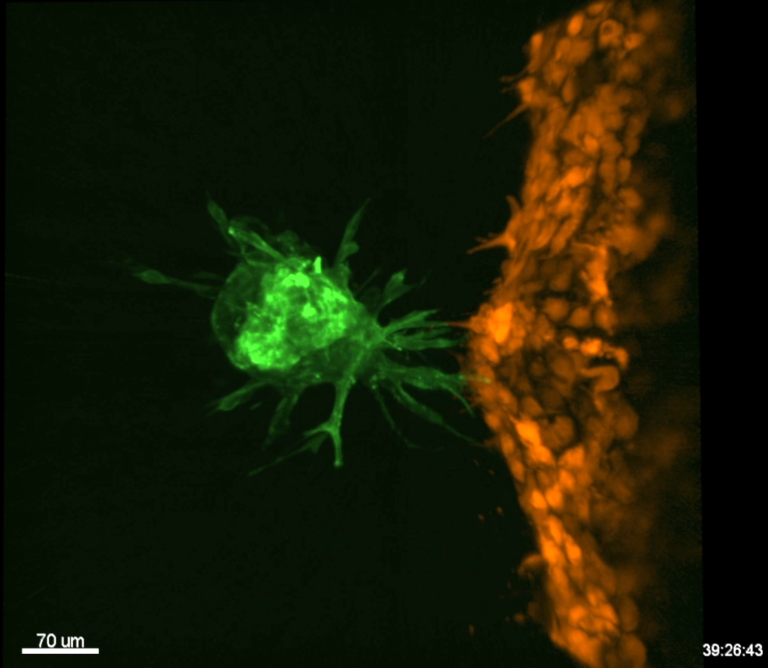
What happens during the first contact between the embryo and the mother
Implantation is one of the most remarkable transitions in early pregnancy. The embryo has to attach to the uterus, invade the maternal tissue and establish connections with the mother’s blood supply. Yet many of the earliest events at this interface remain difficult to observe because the…
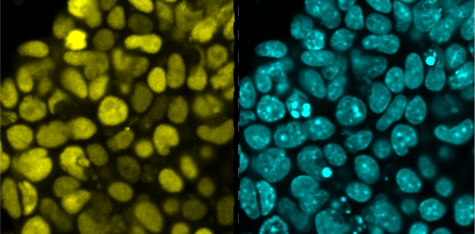
How the embryo powers its growth: a samurai story
Early embryonic development requires a remarkable change in cellular activity. Before implantation, the mouse embryo is relatively metabolically quiet. After implantation, this changes dramatically: the epiblast begins to proliferate rapidly, reorganises into an epithelial structure and undergoes the morphogenetic transformations that build the foundation of the…
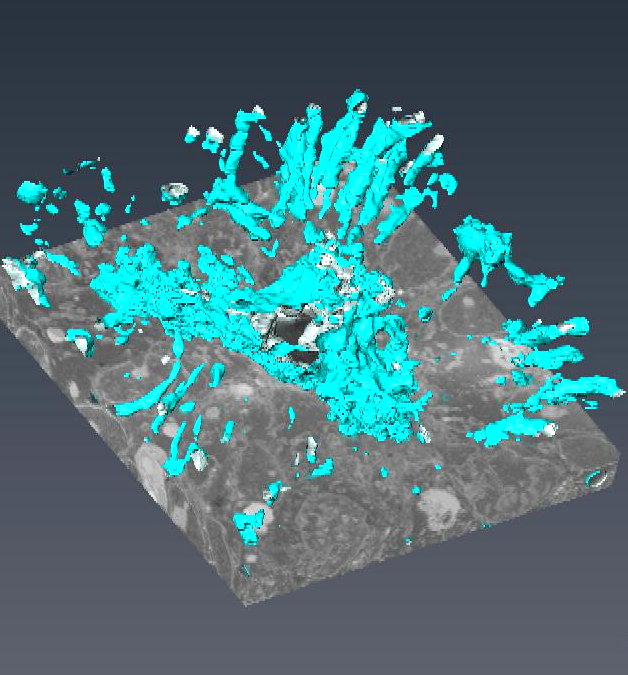
The embryo builds a space — and the space builds the embryo
How does a simple ball of cells transform into an organised embryo? Around the time of implantation, the mouse embryo undergoes one of the most dramatic transformations in early development. The blastocyst, which contains a hollow cavity surrounded by several cell populations, begins to reorganise into…
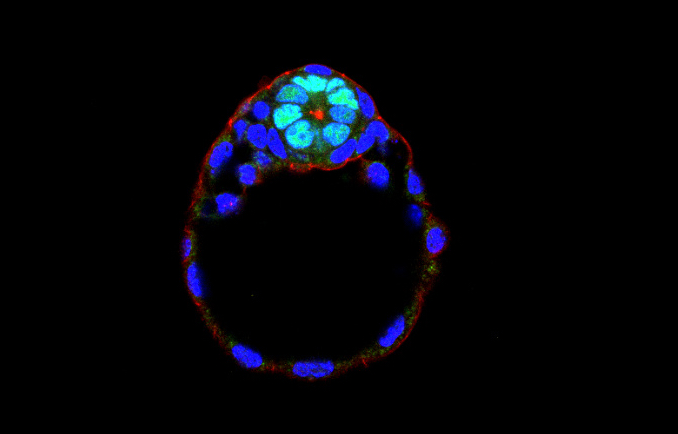
Diapause – development on hold, organisation in motion
What happens when an embryo stops developing? At first, the answer might seem straightforward: development simply comes to a halt. But embryonic diapause — a natural state in which development is temporarily suspended — is much more interesting than that. During diapause, the mouse embryo remains…
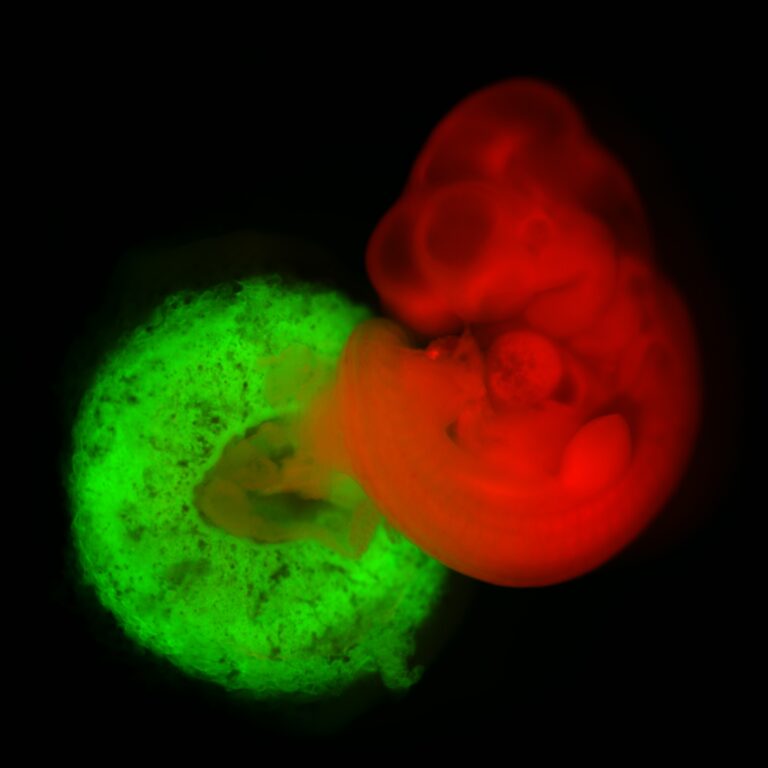
How to genetically change the placenta without changing the embryo
The placenta is essential for embryonic development, yet studying how individual genes control its formation has been surprisingly difficult. The reason is simple: the placenta and the embryo come from different cell lineages, but most of the genetic tools we use in mice are designed to…










You must be logged in to post a comment.